You Won’t Believe What’s Hiding Beyond Bologna’s Red Roofs
When you think of Bologna, Italy, pasta and medieval towers probably come to mind—but not the wild beauty just beyond the city’s ancient walls. I didn’t expect to find misty hills, secret river trails, and sun-drenched vineyards so close to the bustling historic center. These natural wonders aren’t plastered on postcards, but they’re absolutely real—and life-changing. Let me take you where most tourists never go. Just a short walk from the echoing footsteps under Bologna’s porticoes lies a world of quiet forests, winding footpaths, and terraced hills that feel centuries removed from the modern city. This is not the Bologna of tourist brochures, but the one locals cherish in hushed tones. It’s a place where nature and culture quietly coexist, offering a deeper, more intimate experience for those willing to step beyond the cobblestone squares.
The Urban Mask of Bologna
Bologna is often celebrated for its rich culinary heritage, home to the world-famous ragù alla bolognese and layers of handmade pasta that have inspired kitchens across the globe. Its historic center, a UNESCO World Heritage site candidate, is adorned with over 40 kilometers of porticoes—covered walkways that shield pedestrians from sun and rain while adding architectural grandeur to daily life. The city pulses with the energy of Europe’s oldest university, founded in 1088, where students fill cafes and bookshops, and intellectual debate spills onto piazzas. Yet, for all its cultural vibrancy, Bologna’s natural surroundings remain one of Italy’s best-kept secrets.
Most travelers arrive with itineraries focused on food tours, museum visits, and climbing the Asinelli Tower for panoramic views. While these experiences are undeniably rewarding, they often lead visitors to overlook the green lungs that cradle the city. Just minutes from Piazza Maggiore, the urban rhythm begins to soften. The roar of scooters fades, replaced by birdsong and the rustle of leaves. It’s in this transition that Bologna reveals a quieter, more contemplative side—one that invites slow exploration and personal discovery.
The contrast between the city’s lively streets and the serene landscapes just beyond is striking. One moment you’re sipping espresso beneath arched porticoes, and the next you’re hiking through a sun-dappled olive grove with the Apennine Mountains rising in the distance. This duality is what makes Bologna so uniquely rewarding for mindful travelers. As one local put it, “I came for lasagna, but stayed for the sunrise over the Apennines.” That sentiment captures the quiet magic of this region—a place where gastronomy and nature are not separate, but deeply intertwined.
The Ascent to Porticoed Hills: San Luca and Beyond
One of the most iconic yet underappreciated walks in Bologna is the journey to the Basilica of San Luca, perched on a hilltop south of the city. Connected to the historic center by the world’s longest portico—666 arches stretching nearly four kilometers—this path is more than an architectural marvel. It’s a seamless fusion of human craftsmanship and natural beauty. As you walk beneath the stone arcades, sunlight filters through the canopy of plane and olive trees that line the route, casting shifting patterns on the ancient pavement. The air carries the scent of wild herbs and damp earth, especially after a morning rain.
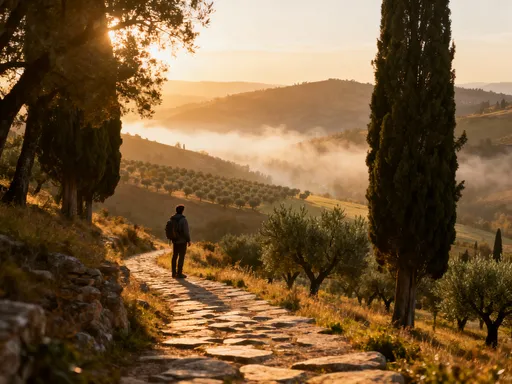
While many visitors make the pilgrimage to the basilica for its religious significance or panoramic views, fewer realize that this path is just the beginning. Beyond the final arch, a network of footpaths winds into the Colli Bolognesi, the gentle hills that form the gateway to the Apennines. These trails, marked with yellow and white blazes, lead through chestnut forests, past abandoned stone farmhouses, and into meadows where wildflowers bloom in spring. The landscape feels timeless, untouched by the rush of modern life.
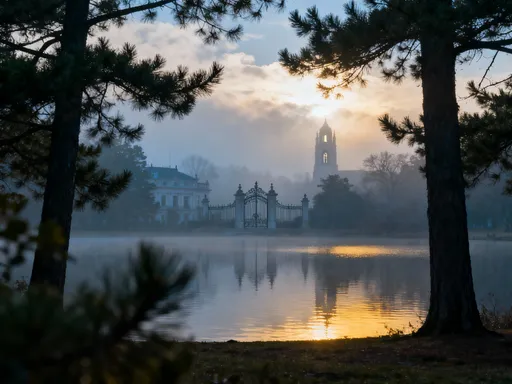
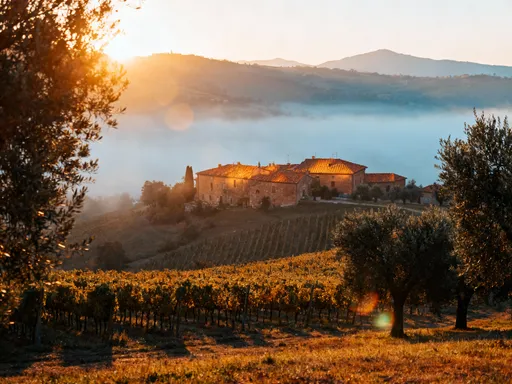
For the most rewarding experience, go early in the morning. At dawn, the city below is shrouded in a soft mist, and the terracotta rooftops glow faintly as the sun rises behind the hills. The silence is profound—broken only by the distant crow of a rooster or the whisper of wind through the trees. This is when the portico reveals its true character: not just a covered walkway, but a threshold between urban energy and natural serenity. Whether you complete the full walk or turn back after a few kilometers, the journey offers a rare chance to move at a human pace, to breathe deeply, and to feel the landscape unfold with each step.
The Secret of the Reno River Greenway
While the portico to San Luca draws more attention, the Reno River Greenway offers a different kind of escape—one that’s closer to the city and equally enchanting. Starting near the historic center, this green corridor follows the course of the Reno River as it flows southward, flanked by trees, reeds, and wild grasses. The path, known locally as the Percorso del Fiume Reno, is a haven for walkers, cyclists, and families seeking a peaceful retreat without leaving the city limits.
One of the most tranquil sections is near Parco del Lavatoio, a small park named after the old communal washing place where women once gathered to launder clothes. Today, the spot is shaded by willows and poplars, and the sound of running water creates a calming backdrop. Ducks glide across the slow-moving river, and kingfishers dart between branches. In spring, the banks are carpeted with white anemones and yellow primroses, while summer brings the hum of cicadas and the shimmer of dragonflies over the water.
What makes this greenway special is its role as a living bridge between urban and natural worlds. It’s not a manicured park, but a semi-wild space where nature is allowed to thrive. Local residents come here to walk their dogs, read under the trees, or simply sit and watch the water flow. It’s a place of quiet joy, known more by word of mouth than by guidebooks. Unlike crowded tourist sites, this path offers solitude and a sense of discovery—even for those who have lived in Bologna for years.
The greenway also plays an important ecological role. It serves as a wildlife corridor, allowing birds, insects, and small mammals to move safely through the urban landscape. Herons nest in the taller trees, and bats emerge at dusk to feed on insects above the river. For environmentally conscious travelers, this stretch of river is a reminder that cities can coexist with nature when green spaces are protected and valued.
Colli Bolognesi: Where Vineyards Meet Wild Nature
Rising just beyond Bologna’s southern edge, the Colli Bolognesi hills are a patchwork of vineyards, orchards, and woodlands that have shaped the region’s identity for centuries. This is the heart of Pignoletto wine country, where family-run wineries cultivate crisp, aromatic white wines on sun-facing slopes. But the Colli Bolognesi are more than a wine destination—they are a living landscape where agriculture and wilderness blend in harmony.
Walking or cycling through these hills, you’ll pass rows of grapevines trained on low trellises, interspersed with groves of ancient chestnut and oak trees. In spring, the hills bloom with apple and cherry blossoms; in autumn, the vines turn golden and red, and the air is thick with the scent of fermenting grapes. The terrain is gently rolling, making it ideal for leisurely exploration. E-bikes have become a popular way to cover more ground while still enjoying the scenery, allowing visitors to reach remote viewpoints and hidden farm trails with ease.
One of the most rewarding experiences is visiting a local agriturismo—a working farm that offers meals made from homegrown ingredients. These family-run establishments serve dishes like wild mushroom risotto, roasted pork with rosemary, and fresh cheeses paired with Pignoletto or Sangiovese wine. Many of the ingredients are foraged from the surrounding woods or grown without chemicals, reflecting a deep respect for the land. Meals are served on terraces with sweeping views of the valley, where the pace of life slows and conversation flows easily.
The Colli Bolognesi also offer excellent hiking opportunities. Trails like the Sentiero dei Fiori (Flower Path) wind through protected natural areas, where rare orchids and medicinal herbs grow in the grass. In spring, the hillsides are alive with color—purple broom, yellow gorse, and pink rockrose create a natural mosaic. For those seeking a deeper connection to the land, seasonal workshops on wine tasting, olive harvesting, or herbal medicine provide hands-on learning in a serene setting.
The Forgotten Valleys: Checking Out Beyond the Tourist Map
While the Colli Bolognesi attract some attention, the valleys just beyond remain largely unexplored by tourists. Areas like the Val di Zena and Val di Lavino are tucked into the folds of the Apennines, accessible by narrow country roads or well-marked hiking trails. These valleys feel like stepping into another era—quiet, timeless, and rich with natural beauty.
In Val di Zena, stone villages cling to the hillsides, their slate roofs weathered by centuries of rain and wind. A single stream, clear and cold, winds through the valley floor, feeding small farms and meadows. After a rainfall, the scent of damp earth and moss fills the air, and mist rises from the forest floor like ghostly fingers. Footpaths connect the hamlets, passing under stone arches and across wooden footbridges. It’s easy to walk for hours without seeing another soul, yet every turn reveals a new beauty—a sunlit clearing, a wild cherry tree in bloom, or a distant view of Bologna’s towers shimmering in the haze.
Val di Lavino, though smaller, is equally enchanting. Here, the landscape is more intimate, with dense beech and hornbeam forests shading the trails. The valley is home to a network of springs and small waterfalls, some of which feed into the Reno River. Local hikers speak of a hidden waterfall known only by name—Cascata del Lavino—that appears after a steep descent through the woods. While its exact location is not widely publicized (to protect the site from overuse), guided eco-tours occasionally lead small groups to the spot, emphasizing respect for the environment.
Exploring these valleys requires little more than a good map, sturdy shoes, and a spirit of curiosity. GPS devices and trail apps make navigation easy, while local tourist offices provide up-to-date information on path conditions. The reward is not just scenic beauty, but a sense of discovery—the joy of finding a place that feels untouched, unspoiled, and deeply peaceful. In a world where so much is documented and shared online, these quiet corners remain refreshingly unknown.
Seasonal Wonders: Bologna’s Natural Side Through the Year
The landscapes around Bologna transform with the seasons, offering a different kind of beauty in every month of the year. Spring is perhaps the most vibrant, when wildflowers blanket the hillsides and fruit trees burst into bloom. The Colli Bolognesi become a canvas of pink, white, and gold, while the air carries the sweet fragrance of hawthorn and acacia. This is the ideal time for long walks, as the temperatures are mild and the light is soft and golden in the late afternoon.
Summer brings warmth, but the higher elevations offer relief. Pine and chestnut forests provide cool, shaded trails where the temperature remains comfortable even during heatwaves. Early mornings and evenings are perfect for cycling or hiking, when the air is fresh and the light is gentle. Many locals retreat to the hills during July and August, seeking refuge from the city’s humidity. Outdoor dinners at agriturismi become common, with tables set under grape arbors and children playing in the grass as the sun sets.
Autumn is a season of mist and mood. Fog often drapes the valleys in the early morning, lifting slowly as the sun gains strength. Riverbanks glisten with dew, and the vineyards turn to shades of amber and crimson. This is harvest time—grapes are picked, olives are gathered, and mushrooms appear in the woods. The scent of woodsmoke drifts from farmhouses, and the taste of new wine fills the air. It’s a time of abundance and reflection, when the land yields its gifts before the quiet of winter sets in.
Winter in the hills is subtle but beautiful. Frost coats the grass in the early hours, and the bare branches of trees create intricate silhouettes against the pale sky. Trails are quiet, and the only sounds are the crunch of footsteps on frozen earth and the occasional call of a crow. While snow is rare at lower elevations, the higher slopes of the Apennines often wear a light dusting, creating a serene, almost monochrome landscape. For those who appreciate solitude and stillness, winter offers a rare chance to experience nature in its most contemplative form.
How to Experience Bologna’s Nature Like a Local
To truly appreciate Bologna’s natural surroundings, it helps to travel like a local—slowly, thoughtfully, and with a sense of connection to the land. The best way to explore is on foot or by bicycle, whether on footpaths, country roads, or dedicated greenways. Public buses, such as the 25 and 34 lines, connect the city center to trailheads in the Colli Bolognesi, making it easy to access nature without a car. For those who prefer guided experiences, several eco-tour operators offer small-group hikes, wine-tasting walks, and seasonal foraging tours led by knowledgeable locals.
When preparing for a day in the hills, pack essentials: comfortable layers (temperatures can change quickly), sturdy walking shoes, plenty of water, and a light snack. A small backpack with a rain jacket is wise, even on sunny days, as clouds can gather swiftly in the hills. Don’t forget a camera or journal—many visitors find themselves inspired by the beauty they encounter.
Equally important is respecting the environment. Stay on marked trails to protect fragile vegetation, carry out all trash, and avoid picking plants or disturbing wildlife. Support local communities by purchasing wine, cheese, or honey directly from farms and agriturismi. These small actions help preserve the region’s natural and cultural heritage for future generations.
Most of all, embrace the philosophy of slow travel. Bologna’s natural wonders are not attractions to be checked off a list, but experiences to be felt. Pause to watch the sunrise over the valley. Sit by a stream and listen to the water. Share a meal with a local farmer and learn the story behind their wine. These moments of connection are what make the journey meaningful. In a world that often feels rushed and disconnected, Bologna’s hidden landscapes offer a rare gift—the chance to slow down, breathe deeply, and remember what it means to be present.
Bologna’s true magic isn’t just in its food or history—it’s in the whisper of wind through the hills, the glow of dawn over the valley, and the peace found just beyond the city buzz. These natural wonders don’t shout; they wait. But once you see them, you’ll never see Bologna the same way again. The real journey begins where the pavement ends.