You Won’t Believe These Hidden Cultural Gems in Rovaniemi
Rovaniemi isn’t just Santa’s hometown — it’s a gateway to authentic Finnish culture most tourists completely miss. I went off the beaten path and discovered Sámi traditions, local crafts, and quiet forest rituals that left me speechless. This is not your average holiday postcard story. If you’re looking for real connection, not crowds, Rovaniemi’s hidden side will change how you see Lapland forever.
Beyond the Arctic Circle Sign: Rovaniemi’s True Identity
Rovaniemi is often reduced to a single symbol: the red Arctic Circle marker where visitors snap photos with one foot in two climatic worlds. Yet this northern Finnish city holds layers of identity far beyond its tourist-facing landmarks. As the official capital of Lapland, Rovaniemi carries a quiet dignity shaped by resilience and renewal. Though widely known today for its association with Santa Claus Village, the city’s modern form emerged from the ashes of World War II, when nearly every structure was destroyed during the Lapland War. Rebuilt under the guidance of renowned Finnish architect Alvar Aalto, Rovaniemi reflects a harmonious blend of functionality and beauty, rooted in Nordic design principles that value simplicity, sustainability, and integration with nature.
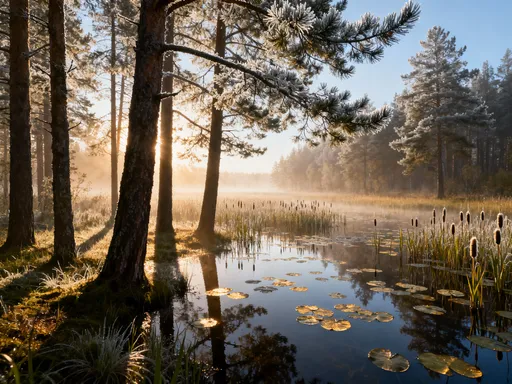
What many travelers overlook is the deep cultural pride that defines life here beyond seasonal festivities. Locals speak of their home not just as a destination, but as a way of being — one shaped by long winters, vast forests, and a relationship with the Arctic environment that is both practical and spiritual. The city serves as a cultural hub for the surrounding region, offering access to indigenous traditions, artisan communities, and seasonal customs that have evolved over centuries. While Santa may draw the crowds, Rovaniemi’s true essence lies in its understated authenticity — in the hushed reverence of a snow-covered forest, the warmth of a wood-fired sauna, and the quiet confidence of those who call this remote corner of Europe home.
To understand Rovaniemi fully, one must look past the postcard imagery and recognize its role as a living cultural center. It is a place where modern life coexists with ancient rhythms, where innovation does not erase tradition but rather supports its continuation. This duality makes Rovaniemi not just a stop on an Arctic itinerary, but a meaningful starting point for deeper exploration into the heart of Finnish Lapland.
The Sámi Way of Life: A Living Cultural Heritage
At the core of Rovaniemi’s cultural depth is the enduring presence of the Sámi people, the indigenous inhabitants of northern Scandinavia whose history in this region spans thousands of years. Though often misrepresented or oversimplified in tourist narratives, the Sámi maintain a vibrant, evolving culture centered on respect for nature, community, and ancestral knowledge. Around Rovaniemi, particularly in nearby villages and rural areas, Sámi families continue traditional practices such as reindeer herding, which is not merely an economic activity but a way of life deeply tied to identity and seasonal migration patterns. Herders monitor their animals across vast territories, using both time-honored techniques and modern GPS tracking, illustrating how tradition and technology can coexist.
One of the most profound expressions of Sámi culture is joik, a form of traditional singing that differs significantly from Western musical forms. Rather than describing a person, place, or emotion, a joik seeks to embody it — creating a sonic portrait that resonates with spiritual significance. Listening to a joik around a campfire, under a sky illuminated by the northern lights, is an experience that transcends entertainment; it feels like bearing witness to a living memory. These songs are passed down through generations, often within families, and hearing one in its proper context — not as a staged performance but as an act of remembrance — is a rare privilege for visitors who seek genuine connection.
Another vital aspect of Sámi heritage is duodji, the art of handmade crafts that serve both practical and aesthetic purposes. From intricately carved antler tools to colorful beadwork and reindeer-hide clothing, duodji reflects a deep understanding of natural materials and functional design. Many artisans welcome respectful visitors to small workshops where they demonstrate their skills and share stories behind their work. Unlike mass-produced souvenirs, these pieces carry the imprint of individual hands and cultural continuity. Travelers who engage with Sámi culture in this way — through guided visits to family-run reindeer farms or cultural centers operated by Sámi cooperatives — contribute directly to the preservation of a living heritage while gaining insight that no brochure can provide.
Local Hands, Timeless Crafts: Finding Authentic Artisanship
Beyond the Sámi communities, Rovaniemi and its surrounding countryside are home to a network of Finnish artisans dedicated to preserving traditional craftsmanship. These creators operate in modest studios, small cooperatives, and home workshops, often working in solitude or with just one or two apprentices. Their work reflects a deep connection to the natural world — birch wood, Arctic wool, and wild berries frequently serve as both material and inspiration. One weaver in a quiet neighborhood outside the city center spends months spinning and dyeing wool using natural pigments derived from lichen and pine bark, creating scarves and blankets that echo the colors of the tundra. Each piece is labeled with a handwritten note explaining the source of the dyes and the season in which it was made, turning the object into a personal narrative.
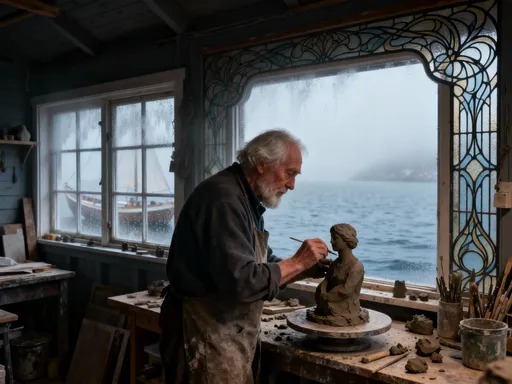
Woodcarving is another craft that thrives in this region, where forests provide both raw material and spiritual grounding. Local carvers shape spoons, bowls, and figurines using hand tools, often working with reclaimed or fallen timber. The process is slow and meditative, reflecting a philosophy of sustainability and mindfulness. Visitors can observe these artisans at work during open studio events held in winter and early spring, when shorter days encourage indoor creativity. Some offer hands-on workshops where guests learn to carve their own simple spoon — a tangible memento that carries the weight of participation rather than mere observation.
Supporting these artisans goes beyond souvenir shopping; it becomes an act of cultural preservation. When travelers choose to purchase directly from makers — at local markets, craft fairs, or by appointment — they help sustain livelihoods that might otherwise disappear in the face of industrial production. Moreover, they receive objects imbued with meaning: a mug shaped from clay found near a nearby river, a candle holder carved with symbols representing protection and warmth, or a knitted hat designed to withstand subzero temperatures while honoring regional patterns. These items tell stories far richer than any mass-market trinket, offering lasting reminders of a place where craft is not a performance, but a way of life.
Seasonal Rhythms: How Nature Shapes Cultural Practices
In Rovaniemi, life moves to the rhythm of the seasons, each bringing its own set of traditions, challenges, and celebrations. The extremes of light and darkness define not only daily routines but also cultural expressions. During the winter months, when daylight lasts only a few hours and the landscape lies beneath a thick blanket of snow, life slows down in a way that feels almost sacred. Locals embrace what they call ‘kaamos’ — the dark period — not as a time of gloom, but as an invitation to introspection, storytelling, and closeness. Families gather for candlelit dinners, children sled down forested hills after school, and adults take long walks under the glow of moonlight reflected off the snow.
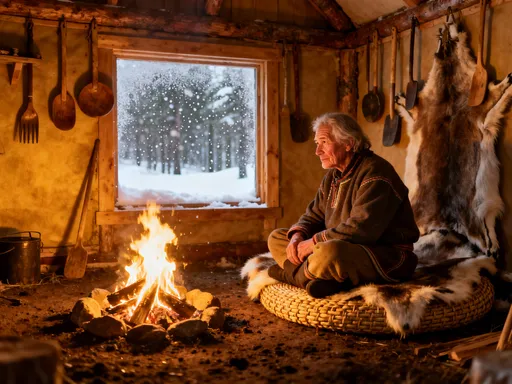
One of the most cherished winter rituals is the sauna, a practice so integral to Finnish identity that nearly every home, even in remote cabins, has one. In Rovaniemi, saunas are more than just heat rooms — they are social sanctuaries. Friends and neighbors often meet for evening sauna sessions, followed by a dip in an ice hole cut into a nearby lake. The contrast between the intense heat and the shock of cold is believed to invigorate both body and spirit. These gatherings are accompanied by quiet conversation, sometimes a glass of lingonberry juice, and always a sense of shared presence. For visitors, being invited to such an event — even as quiet observers — offers a rare glimpse into the Finnish value of sisu: inner strength, perseverance, and quiet resilience.
When summer arrives, the pendulum swings dramatically. The midnight sun bathes the region in continuous daylight for weeks, transforming the pace of life. People stay awake later, take evening hikes at 11 p.m., and gather for informal barbecues that stretch into the early morning. Berry picking becomes a common weekend activity, with families venturing into the woods to collect cloudberries, blueberries, and lingonberries — ingredients later used in jams, desserts, and homemade liqueurs. These seasonal shifts are not just environmental; they are cultural anchors, shaping everything from diet and recreation to emotional well-being. Travelers who align their visits with these rhythms — who rise early to watch the sun skim the horizon in winter or join a late-night fishing trip in summer — find themselves immersed in a way of life dictated not by clocks, but by nature’s own timing.
Hidden Eats: Tasting Culture Beyond Tourist Menus
Food in Rovaniemi is more than sustenance — it is a direct reflection of the land, climate, and cultural history. While tourist-oriented restaurants often serve themed dishes like ‘Santa’s Reindeer Bites’ or chocolate-covered treats, the true culinary soul of the region lies in family kitchens, small-town cafés, and seasonal pop-up kitchens run by local cooks. Traditional Finnish dishes emphasize simplicity, preservation, and the use of wild-sourced ingredients. One of the most iconic meals is poronkäristys — pan-seared reindeer served with mashed potatoes and lingonberry sauce. Unlike commercially farmed meat, reindeer in Lapland are semi-wild, grazing freely on lichen and herbs, which gives the meat a lean, earthy flavor unique to the region.
Another staple is leipäjuusto, often called ‘squeaky cheese’ for the sound it makes when bitten into fresh. Traditionally made from cow’s or reindeer’s milk, this mild, slightly smoky cheese is often served warm with cloudberry jam, creating a balance of tart and creamy flavors. It’s commonly enjoyed during coffee breaks, a sacred daily ritual in Finland where conversation flows as freely as the dark roast. Travelers can experience this tradition at small cafés tucked away from main streets, where owners greet regulars by name and serve pastries made from rye flour and wild berries.
For those willing to venture beyond city limits, rural farmhouses occasionally open their doors for communal dinners, especially during cultural festivals or seasonal celebrations. These meals are not performances for tourists but extensions of hospitality, where guests are welcomed as temporary members of the community. Dishes might include smoked whitefish from local lakes, barley soup simmered for hours, or homemade pulla — a sweet saffron bread often baked for special occasions. Eating in these settings fosters a sense of belonging, reminding visitors that in Lapland, food is not just about taste, but about connection — to the land, to history, and to one another.
Smart Travel Choices: How to Visit Responsibly and Meaningfully
As interest in Arctic travel grows, so does the responsibility to ensure that tourism benefits local communities without degrading the fragile environment or commodifying culture. In Rovaniemi, thoughtful travel choices can make a significant difference. One of the most impactful decisions a visitor can make is where to stay. Instead of large resorts or chain hotels, consider small guesthouses, family-run lodges, or countryside cabins managed by local hosts. These accommodations often provide more personalized experiences, from homemade breakfasts to insider tips on hidden trails and local events. Staying in such places ensures that tourism revenue stays within the community, supporting families and small businesses rather than distant corporate entities.
Equally important is how activities are booked. Opting for tours operated by local guides — particularly those from Sámi backgrounds or long-time residents — ensures authenticity and fairness. These guides share not just information, but personal perspectives, stories, and cultural context that enrich the experience. Booking directly through local tourism cooperatives or community centers, rather than international platforms, further strengthens this connection. Additionally, avoiding overcrowded attractions during peak hours allows for more meaningful interactions and reduces environmental strain. For instance, visiting the Arktikum Science Museum early in the morning offers a quieter, more reflective experience than midday tours packed with tour groups.
Responsible travel also means respecting natural spaces. This includes staying on marked trails, refraining from disturbing wildlife, and minimizing waste. Many local organizations offer ‘leave no trace’ guidelines tailored to Arctic conditions, such as proper disposal of biodegradable items in subzero temperatures. Travelers are encouraged to carry reusable containers, avoid single-use plastics, and participate in clean-up initiatives when available. By adopting these practices, visitors honor the very qualities that draw them to Rovaniemi — its pristine landscapes, cultural integrity, and sense of peace.
Why This Journey Matters: Reimagining Arctic Travel
Discovering Rovaniemi’s hidden cultural gems transforms the nature of travel itself. It shifts the focus from checking off attractions to cultivating understanding, from passive observation to active engagement. In a world where many destinations risk becoming homogenized by mass tourism, Rovaniemi offers a different path — one that invites travelers to listen more than they speak, to observe before they participate, and to leave not just footprints, but gratitude. This kind of journey does not demand grand gestures, but rather a willingness to slow down, to be present, and to recognize that culture is not a display, but a lived reality.
The contrast between superficial tourism and deep cultural immersion could not be starker. Standing in line to meet Santa is one experience; sharing a sauna with a reindeer herder is another. Buying a plastic ornament is one thing; holding a hand-carved spoon made from Arctic birch is quite another. The latter carries weight — not just in the hand, but in memory. These are the moments that linger long after the trip ends, shaping how we see not only Lapland, but ourselves.
Rovaniemi’s quiet magic lies in its ability to remind us that travel can be both enriching and respectful. It challenges the notion that remote destinations exist solely for consumption and instead proposes a model of reciprocity — where visitors give as much as they receive. By choosing to explore its hidden side, travelers become part of a larger story: one of preservation, connection, and mutual respect. So the next time you plan a journey to the Arctic, ask not just where you will go, but how you will be present. Seek not just sights, but stories. And let Rovaniemi, in all its understated depth, show you what true cultural discovery looks like.