Wheels, Culture, and the Soul of Serbia
Driving into Belgrade feels like flipping through the pages of a living history book—each turn revealing layers of resilience, art, and unexpected charm. I didn’t just visit the city; I felt it. From ancient fortresses overlooking the confluence of two rivers to underground jazz clubs pulsing with creativity, Belgrade’s cultural heartbeat is raw and real. This journey wasn’t about ticking landmarks—it was about connection, discovery, and the freedom that only self-driving can offer. The open road became a bridge to authentic moments: sipping rakija with locals at a riverside kafana, stumbling upon a folk dance in a hidden courtyard, or watching the sun dip behind Kalemegdan as church bells echo across the Danube. In Serbia’s capital, every mile driven adds depth to the story.
The Open Road to Belgrade: Why Driving Changes Everything
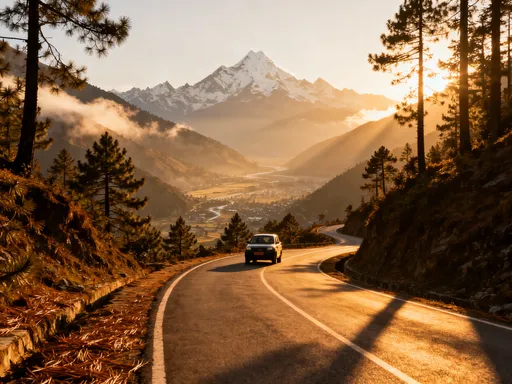
Arriving in Belgrade by car transforms the entire rhythm of travel. Unlike rigid train schedules or limited bus routes, driving grants travelers the rare gift of spontaneity. You’re no longer bound by timetables or transfer points—you’re free to follow curiosity. Whether entering from Hungary, Croatia, or Montenegro, the highways into Serbia are well-maintained and clearly marked, making cross-border travel smooth for international visitors. The E75 highway from Novi Sad offers a scenic approach, with rolling plains giving way to the urban energy of the capital. Upon reaching the city limits, ring roads efficiently guide drivers toward central districts, and GPS navigation systems reliably direct to hotels or parking zones.
What truly sets self-driving apart is the ability to explore beyond guidebook highlights. Public transportation in Belgrade covers major attractions, but it often skips the quieter, more authentic corners where daily life unfolds. With a car, you can detour to a weekend farmers’ market in Block 45, pause at a roadside stand selling homemade plum jam, or follow a local’s suggestion to a tucked-away viewpoint over the Sava River. These unplanned stops often become the most memorable parts of a trip. The flexibility to change plans midday—perhaps swapping a museum visit for a spontaneous swim at Ada Ciganlija—adds a deeply personal touch to the journey.
Parking in Belgrade is generally manageable, especially outside peak hours. Many hotels offer secure on-site parking, and public garages are available near key areas like Knez Mihailova Street and Republic Square. For those venturing into older neighborhoods with narrow streets, designated parking zones are marked with blue lines, and mobile apps can assist with payment. Driving also eliminates the hassle of carrying shopping bags from markets or transporting picnic supplies for a riverside afternoon. It’s this blend of convenience and freedom that makes self-driving not just a practical choice, but a transformative one.
Moreover, having a vehicle allows for day trips that enrich the Belgrade experience. Within an hour’s drive, you can visit the historic town of Smederevo, home to a well-preserved medieval fortress on the Danube, or explore the tranquil monasteries of the Fruška Gora hills. These excursions offer contrast—shifting from urban intensity to rural serenity—and deepen understanding of Serbia’s diverse cultural landscape. The car becomes a vessel not just for movement, but for immersion.
Kalemegdan Fortress: Where History Meets the Danube
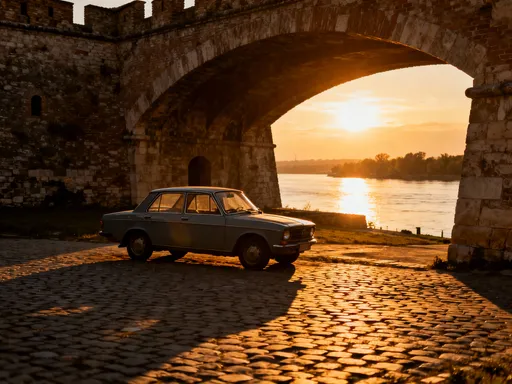
Rising above the confluence of the Sava and Danube rivers, Kalemegdan Fortress stands as Belgrade’s most iconic landmark and a testament to centuries of layered history. Originally built by the Celts and later expanded by Romans, Serbs, Ottomans, and Austro-Hungarians, the fortress has changed hands more than 100 times, each empire leaving its mark. Today, it functions not only as a historical site but as a living cultural space where locals jog, artists sketch, and families gather for evening strolls. Walking its ramparts at golden hour, with sunlight glinting off the water and the city skyline glowing in the distance, is an experience that lingers long after departure.
The fortress complex spans over 140 acres and includes preserved walls, gates, and underground tunnels known as *dungeons*. Visitors can explore the Belgrade City Museum, housed in a former military command center, which traces the city’s evolution from antiquity to the modern era. The Military Museum, located within the fortress grounds, displays artifacts from medieval armor to World War II vehicles, offering a sobering yet educational look at Serbia’s turbulent past. One of its most striking exhibits is a reconstructed trench system, illustrating the realities of 20th-century warfare. These collections are not merely displays of weaponry—they tell stories of resistance, survival, and national identity.
What many tourists miss is how the atmosphere of Kalemegdan shifts dramatically with the time of day. Early morning brings a quiet serenity, with yoga groups practicing near the clock tower and fishermen casting lines along the banks. By midday, school groups and international visitors fill the walkways, while evenings bring open-air concerts, theater performances, and even outdoor film screenings during summer festivals. Having a car allows visitors to return multiple times—perhaps for a sunrise coffee, a midday museum visit, and a sunset picnic—without worrying about public transit closures or last buses.
Access to the fortress is straightforward for drivers, with several parking areas nearby, including a large lot near the Cvijeta Zuzorić Art Pavilion. These spots fill quickly on weekends, so arriving early ensures a stress-free visit. The advantage of driving is particularly evident during special events, such as the Belgrade Fortress Festival, when temporary exhibits, craft markets, and live music transform the space into a vibrant cultural hub. With your own vehicle, you can linger late into the night, enjoying the illuminated ramparts and returning to your accommodation at your own pace.
Bohemian Belgrade: The Artistic Pulse of Skadarlija and Beyond
Skadarlija, often compared to Montmartre in Paris, is Belgrade’s most famous bohemian quarter—a cobbled street lined with traditional kafanas, flower-filled balconies, and the constant hum of live music. By day, it’s a picturesque maze of art galleries and souvenir shops; by night, it transforms into a lively hub where accordion players, folk singers, and jazz trios perform under gas lamps. Restaurants like Tri Šešira and Dva Jelena have hosted poets, actors, and musicians for generations, preserving a cultural legacy that feels both nostalgic and alive. The scent of grilled meat, fresh bread, and strong coffee fills the air, inviting visitors to slow down and savor the moment.
Yet beyond the postcard-perfect façade, Skadarlija also reveals tensions between authenticity and commercialization. While it remains a beloved symbol of Belgrade’s artistic spirit, some longtime residents note that rising tourism has shifted its character. Chain-owned souvenir stalls now occupy spaces once held by independent artisans, and menu prices in central restaurants reflect international demand rather than local affordability. For travelers seeking a more grounded experience, venturing just a few blocks away—into neighborhoods like Dorćol or Čubura—unlocks quieter pockets of creativity. These areas host experimental theater groups, underground poetry slams, and pop-up exhibitions in repurposed industrial buildings.
Driving makes it possible to explore this broader artistic ecosystem without fatigue or logistical strain. After an evening in Skadarlija, you can easily drive to a hidden jazz bar in the Savamala district or attend a contemporary dance performance at the Bitef Art Hall. Some of the most memorable cultural encounters happen spontaneously—like stumbling upon a street violinist playing Vivaldi in a deserted courtyard or being invited to a private gallery opening by a local artist. These moments are fleeting and often inaccessible by public transport, especially late at night.
For families or older travelers, the ability to return to accommodation between activities is another advantage. A mid-evening break for rest or a change of clothes becomes feasible when you’re not dependent on night buses or taxis. This rhythm—immersion followed by reflection—allows for deeper engagement with the city’s cultural offerings. Skadarlija may be the heart of Belgrade’s bohemian scene, but the soul of its artistry pulses strongest in the spaces just beyond the spotlight, reachable only by those willing to drive a little farther.
River Culture: The Lifelines of Sava and Danube
The Sava and Danube rivers are not just geographical features—they are the lifeblood of Belgrade’s identity. Locals measure time by the river’s rhythm: morning joggers along the embankment, lunchtime diners at floating restaurants, and nighttime revelers aboard splavovi, the famous houseboat clubs that line the banks. These rivers shape leisure, cuisine, and social connection, offering a natural escape within the urban fabric. For visitors, experiencing Belgrade’s river culture is essential to understanding its spirit, and having a car makes accessing these waterside worlds seamless and stress-free.
Ada Ciganlija, known affectionately as “Belgrade’s Sea,” is a river island turned recreational paradise. Connected to the mainland by a causeway, it features a large lake ideal for swimming, paddleboarding, and rowing. Cycling paths encircle the island, and picnic areas with grills are popular on weekends. During summer, open-air concerts and outdoor cinema events draw thousands, creating a festival-like atmosphere. Getting there by car takes less than 20 minutes from central Belgrade, and ample parking ensures you can bring everything needed for a full day—towels, snacks, sports gear—without compromise. Public transport options exist, but they require transfers and walking long distances with equipment, making driving the far more practical choice.
The splavovi, or “splavs,” represent another dimension of river life. These converted barges function as floating bars, restaurants, and nightclubs, each with its own theme and clientele. Some play turbo-folk music until dawn, while others host live jazz or electronic DJs. Though many are accessible by foot from the city center, the full experience often involves late-night returns, when public transport is limited or unsafe. Driving eliminates this concern, allowing visitors to enjoy the vibrant nightlife without rushing to catch the last bus or relying on uncertain taxi availability.
For a quieter experience, the Great War Island, located at the confluence of the Sava and Danube, offers walking trails and birdwatching opportunities. Though not developed for mass tourism, it attracts nature lovers and photographers seeking tranquility. Access is via a small ferry from the Zemun quay, and having a car allows you to combine the trip with a visit to Zemun’s historic district—known for its Austro-Hungarian architecture and riverside fish restaurants. This kind of layered itinerary—nature, history, and cuisine—would be difficult to execute without personal transportation.
Museums with a Message: Stories Behind the Exhibits
Belgrade’s museums are not mere repositories of artifacts—they are storytellers. Each institution curates narratives that reflect national pride, scientific achievement, and historical reflection. Among them, the Nikola Tesla Museum stands out as a pilgrimage site for science enthusiasts and history lovers alike. Housing over 160,000 original documents, personal belongings, and working models of Tesla’s inventions, the museum culminates in a live demonstration of the Tesla coil, where electrical arcs dance to the sound of music. This moment—both educational and theatrical—captures the inventor’s genius and showmanship. The museum’s location, a short drive from the city center, makes it an easy addition to any itinerary when traveling by car.
Equally powerful is the Museum of Yugoslav History, which chronicles the complex legacy of Josip Broz Tito and the socialist era. The complex includes the House of Flowers, Tito’s final resting place, and a collection of state gifts, military uniforms, and personal items. Rather than glorifying the past, the museum invites visitors to grapple with contradictions—progress alongside repression, unity amidst ethnic diversity. Temporary exhibitions often address contemporary social issues, linking historical lessons to modern challenges. The surrounding park, filled with blooming magnolias and shaded benches, offers a peaceful space for reflection after an emotionally rich visit.
Driving enhances the museum experience in subtle but meaningful ways. It allows for unhurried visits, with time to absorb dense exhibits without worrying about closing times or transport schedules. After leaving the Tesla Museum, you might drive to Topčider Park, a historic royal estate with walking trails and centuries-old oak trees, providing a natural counterpoint to the technological marvels just seen. Similarly, a post-visit stop at a quiet café in the Dedinje neighborhood can help process the weight of Yugoslavia’s story.
Other notable institutions include the Museum of Contemporary Art, located near the confluence of the rivers, which showcases Serbian and regional artists from the 20th and 21st centuries. Its modern architecture and rotating exhibitions attract a younger, art-savvy crowd. With a car, you can combine it with a sunset visit to the nearby Gazimestan Tower, offering panoramic views of the city. These layered experiences—art, history, nature—are made possible by the freedom of self-driving, turning a series of visits into a cohesive cultural journey.
Local Life on Four Wheels: Weekend Markets and Suburban Gems
To understand Belgrade beyond its monuments, one must engage with its everyday rhythms. Weekend markets offer a direct window into local life, where generations gather to buy fresh produce, exchange gossip, and preserve culinary traditions. The Kalenić Market, one of the city’s oldest, operates every Saturday and Sunday with over 200 stalls selling everything from wild mushrooms and honey to hand-knitted socks and dried herbs. Family-run vendors offer samples of white cheese, kajmak, and homemade rakija, inviting conversation and connection. The sensory richness—colors of ripe peppers, the smell of grilled ćevapi, the sound of bartering—creates an immersive experience that no restaurant or tour can replicate.
Driving to Kalenić allows visitors to shop freely, bringing home ingredients for a self-catered meal or gifts for loved ones. Public transport to the market is possible, but returning with heavy bags of fruit, wine, and spices becomes cumbersome. With a car, you can also extend the trip to nearby suburban neighborhoods like Zemun, a former Austro-Hungarian town now part of greater Belgrade. Its old town, with cobblestone streets and pastel-colored buildings, feels like a village frozen in time. Riverside restaurants serve fresh carp and catfish caught daily from the Danube, often accompanied by live folk music.
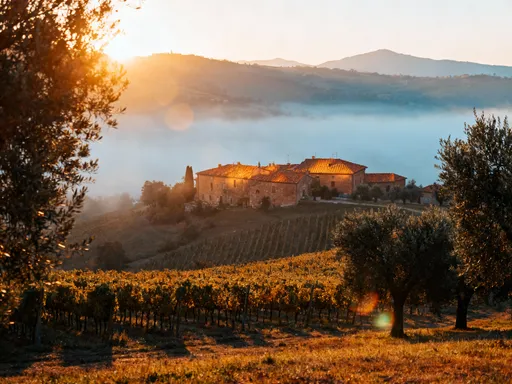
Another suburban gem is Grocka, a 30-minute drive southeast of the city, known for its vineyards and fruit orchards. During harvest season, family-run wineries open their doors for tastings and meals in shaded courtyards. These agritourism spots offer a slower pace, where time is measured by the sun’s arc rather than city clocks. Driving enables access to these rural experiences, which are rarely included in standard tour packages. They reveal a different side of Serbia—one rooted in agriculture, hospitality, and seasonal rhythms.
For families, these outings provide intergenerational learning. Children can see how food is grown, meet farm animals, and taste fruit straight from the tree. Parents appreciate the educational value and the chance to unplug from urban distractions. These moments of authenticity—sharing a meal with a winemaker, learning how rakija is distilled, or helping pack jars of ajvar—create lasting memories. They are not staged for tourists but lived with sincerity, accessible only to those who venture beyond the city center.
Night Culture, Your Way: From Jazz to Folk, On Your Schedule
Belgrade’s nightlife is legendary, but its true essence lies not in volume, but in variety. Beyond the thumping bass of river clubs, the city pulses with intimate cultural expressions—jazz in candlelit cellars, folk dances in community halls, poetry readings in bookshops. These experiences reflect a deep-rooted tradition of gathering, storytelling, and artistic exchange. For visitors, participating in them offers a rare glimpse into the soul of Serbian culture. And once again, self-driving unlocks the full spectrum of these nocturnal offerings.
The city boasts a thriving jazz scene, with venues like KST and Drugstore hosting local and international musicians. These spaces, often tucked into basements or repurposed factories, attract discerning audiences who come for the music, not the spectacle. Performances can run late, sometimes past 2 a.m., and public transportation ceases operation around midnight. Relying on taxis introduces uncertainty—long waits, high prices, or safety concerns. With a personal vehicle, visitors can attend multiple shows, linger between sets, and return safely at their own pace.
Folk culture remains deeply cherished, especially among older generations. Cultural centers like Narodni Muzej Etnografije or local community halls often host traditional music and dance events. These are not tourist performances but genuine celebrations, where families dance the kolo in circles and elders sing songs passed down for centuries. Attending one feels like being welcomed into a private world. Driving allows for spontaneous decisions—perhaps skipping a planned movie night to join a festival in a nearby village.
For younger audiences, Belgrade’s indie music scene thrives in alternative spaces like KC Grad and ŠKUC. These venues support emerging artists across genres, from post-punk to acoustic ballads. Events are often announced last minute, and locations can be obscure. Without a car, reaching them may require multiple bus changes or expensive rideshares. With one, you gain the confidence to say yes to last-minute invitations, to explore without fear of being stranded. This freedom—this ability to move with the city’s rhythm—is what turns a visit into a true cultural journey.
Conclusion: More Than a Trip—A Cultural Journey on Your Terms
Traveling through Belgrade by car is not merely a logistical convenience—it is a pathway to deeper connection. It allows visitors to move beyond curated itineraries and experience the city as locals do: with flexibility, curiosity, and a sense of ownership over their time. From the ramparts of Kalemegdan at dawn to the jazz notes floating over the Sava at midnight, every moment gains meaning when you control the pace. The car becomes more than a vehicle; it becomes a companion in discovery, enabling access to hidden markets, quiet riverbanks, and spontaneous cultural encounters that define the essence of Serbia’s capital.
Self-driving fosters a rhythm of immersion and reflection. You can spend hours in a museum, then drive to a park to process what you’ve seen. You can attend a folk dance in the evening, return to your hotel to rest, and later drive back out for a late-night coffee by the river. This ebb and flow—engagement followed by pause—creates space for genuine understanding, not just sightseeing. It allows travelers to build personal narratives, to collect moments rather than checklists.
Moreover, driving supports sustainable tourism. By visiting suburban farms, local markets, and family-run restaurants, travelers contribute directly to community economies. They support artisans, farmers, and small business owners whose livelihoods depend on authentic engagement, not mass tourism. This kind of travel respects culture rather than consumes it.
In the end, Belgrade reveals itself not in monuments alone, but in the spaces between them—the laughter in a kafana, the scent of rain on hot pavement, the warmth of a shared meal. These are the details that linger. And with a car, you’re free to find them, one turn of the wheel at a time. So pack your curiosity, chart your course, and let the open road lead you not just to a destination, but to a deeper understanding of place, people, and self.