Windhoek’s Hidden Districts: You Won’t Believe What This City Holds
Nestled in the heart of Namibia, Windhoek is far more than just a capital—it’s a mosaic of culture, history, and unexpected urban charm. Most travelers fly through without stopping, but those who do are greeted by vibrant districts bursting with life, flavor, and authenticity. From tree-lined suburbs to bustling markets, a side of Windhoek emerges that few talk about—real, raw, and totally unforgettable. Beyond its role as a gateway to desert landscapes and wildlife reserves, the city holds neighborhoods that reflect resilience, creativity, and a unique blend of African and European influences. This is not a place to rush through, but to explore with curiosity and respect.
The Unexpected Allure of Windhoek
Windhoek often slips under the radar, dismissed as merely a transit point for safaris in Etosha or adventures in the Namib Desert. Yet for those willing to pause, the city reveals layers of character that enrich any journey through Namibia. As the country’s political, economic, and cultural nucleus, Windhoek offers more than administrative functions—it tells the story of a nation rebuilding and redefining itself. Its streets echo with languages from Oshiwambo to German, its buildings reflect colonial legacies transformed by modern African identity, and its people move with a quiet pride in how far they’ve come since independence in 1990.
Exploring Windhoek’s districts allows travelers to witness daily Namibian life beyond postcard vistas. Here, commerce hums in open-air markets, students debate ideas at sidewalk cafes, and artists paint murals on once-forgotten walls. The city’s compact size makes it accessible, while its diversity ensures each neighborhood feels distinct. Whether you're drawn to green spaces, historical architecture, or grassroots creativity, Windhoek delivers experiences that deepen your understanding of Southern Africa. It’s a place where progress moves steadily, shaped by tradition and forward-looking vision alike.
What makes Windhoek particularly rewarding is its balance between order and authenticity. Unlike larger African metropolises that can overwhelm, this capital maintains a human scale. Traffic flows relatively smoothly, public spaces are well-maintained, and locals often greet visitors with genuine warmth. For 30- to 55-year-old women traveling for enrichment—whether solo, with family, or in small groups—the city offers a safe, manageable environment to engage with a culture that values community, resilience, and dignity. Windhoek isn’t flashy, but its quiet strength leaves a lasting impression.
Klein Windhoek: Where Nature Meets Urban Comfort
Perched on the northeastern edge of the city, Klein Windhoek stands out as one of Windhoek’s most serene and picturesque suburbs. Nestled against the backdrop of rocky hills and acacia-dotted slopes, it offers residents and visitors alike a peaceful retreat without straying far from urban conveniences. Tree-lined avenues, manicured gardens, and spacious homes reflect a lifestyle centered on comfort and connection to nature. This is a neighborhood where morning walks are accompanied by bird calls, and sunsets paint the sky in warm hues over distant ridgelines.
What defines Klein Windhoek is its harmonious integration with the natural landscape. Walking trails like those in the nearby Klein Windhoek Nature Reserve allow for easy hikes suitable for all fitness levels. These paths wind through native vegetation, offering sightings of small antelope species, lizards, and a variety of birdlife. For families or individuals seeking calm amidst travel, these green corridors provide a restorative pause. The area also hosts community events such as outdoor yoga sessions and environmental clean-up days, reinforcing a shared commitment to sustainability and wellness.
While residential in character, Klein Windhoek is not isolated. Within a 10-minute drive, one can reach central business districts, supermarkets, and medical facilities. Local cafes serve fresh coffee and light meals, often with outdoor seating that takes advantage of the crisp highland air. The suburb’s appeal lies in its balance—offering privacy and tranquility while remaining fully connected. For travelers looking to stay in guesthouses or boutique lodgings that feel both secure and welcoming, Klein Windhoek emerges as an ideal base. It represents a quieter side of urban Namibia, where life unfolds at a thoughtful pace.
Windhoek Central: The Beating Heart of the City
At the core of Namibia’s capital lies Windhoek Central—a dynamic fusion of governance, commerce, and cultural expression. This district serves as the administrative and symbolic center of the nation, housing key institutions like the Presidential Palace, Parliament Gardens, and the Supreme Court. Yet it is also a living, breathing part of the city, where civil servants, businesspeople, and tourists cross paths on wide, tree-shaded avenues. Independence Avenue, the main thoroughfare, pulses with activity during weekday hours, lined with banks, government offices, and shops reflecting both local enterprise and international presence.
Architecturally, Windhoek Central tells a layered story. German colonial influences are evident in landmarks such as the Christuskirche, a sandstone Lutheran church completed in 1910 that remains one of the city’s most photographed sites. Its distinctive green copper roof and neo-Gothic spire stand as a reminder of the past, yet today it functions as a shared public space open to all. Nearby, the Alte Feste (Old Fortress), now home to the National Museum of Namibia, traces the country’s journey from pre-colonial times through resistance and independence. Exhibits include traditional crafts, historical documents, and artifacts from various ethnic groups, offering visitors a comprehensive introduction to Namibian heritage.
Public spaces in the central district encourage engagement and reflection. Post Street Mall, a pedestrian-friendly zone, hosts pop-up markets, art displays, and occasional performances. Benches and shaded areas invite passersby to rest, observe, and connect. The area around the Independence Memorial Museum, inaugurated in 2014, features a striking modern design and educational exhibits that honor national struggles and achievements. For visitors, spending time here provides context—helping them understand the values of unity, perseverance, and self-determination that shape contemporary Namibia.
Despite its formal functions, Windhoek Central retains a human touch. Street vendors sell fresh fruit and handmade crafts, while local eateries offer everything from German-inspired sausages to traditional mahangu porridge. The blend of old and new, official and everyday, makes this district essential for anyone wanting to grasp the soul of the capital. It is neither overly touristy nor inaccessible, striking a rare balance that invites respectful exploration.
Katutura: Rhythm, Color, and Real Life
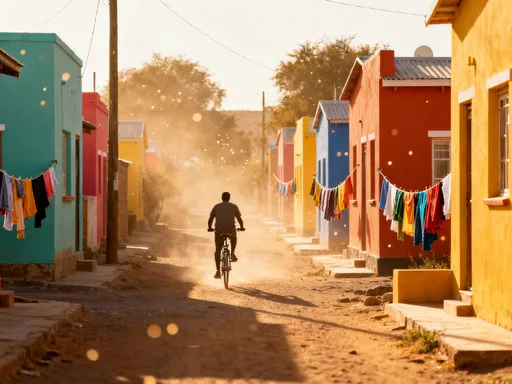
Emerging from the shadows of apartheid-era planning, Katutura has transformed into one of Windhoek’s most vibrant and culturally rich neighborhoods. Originally established as a township for Black Namibians during colonial rule, the name itself means “the place where we do not want to live” in Otjiherero—a poignant reflection of its origins. Yet today, Katutura radiates resilience, creativity, and joy. It is a place where music spills from open doors, where children play in safe communal spaces, and where traditions are preserved even as innovation takes root.
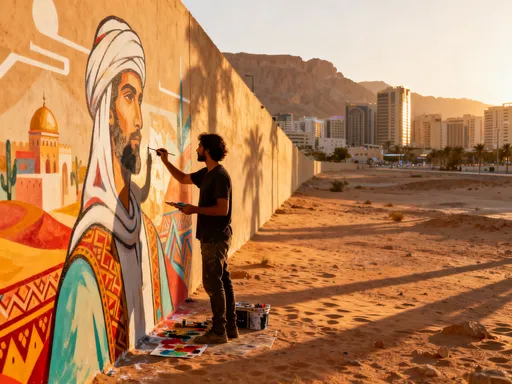
Walking through Katutura is an immersive sensory experience. Murals adorn building facades, depicting historical figures, wildlife, and messages of hope. Community art projects, often led by local NGOs and youth groups, have turned once-neglected walls into open-air galleries. On weekends, the Robert Mugabe Avenue market comes alive with vendors selling crafts, spices, clothing, and homemade foods like oshifima (a cornmeal staple) and kapana (grilled meat strips). These markets are not staged for tourists—they serve the community first, offering authentic glimpses into daily life.
Music is the heartbeat of Katutura. Local shebeens—informal gathering spots—host live performances of jazz, kwaito, and traditional Herero and Nama songs. Some cultural centers offer guided tours that include drumming workshops, dance lessons, and storytelling sessions. These experiences allow visitors to engage meaningfully, fostering cross-cultural appreciation. Food tours are increasingly popular, guiding guests through home kitchens and small restaurants where recipes have been passed down for generations. A meal shared in Katutura is more than nourishment—it’s an act of connection.
What makes Katutura especially meaningful for adult travelers, particularly women, is its emphasis on empowerment and community development. Women-led cooperatives produce woven baskets, beadwork, and textiles that are sold locally and internationally. Educational programs support youth in gaining skills in technology, hospitality, and the arts. Visiting this district with awareness and respect allows travelers to witness firsthand how communities rebuild and thrive. Katutura does not hide its past, but it refuses to be defined by it—instead, it celebrates what Namibians have created together.
Academia & Grove Mall: Modern Living and Student Energy
Centered around the University of Namibia and the Grove Mall complex, this district embodies the youthful pulse of modern Windhoek. As the country’s leading academic institution, UNAM draws students from every region of Namibia and several neighboring countries. Their presence infuses the area with intellectual energy, diversity, and a spirit of possibility. Cafes near campus buzz with discussion, bookstores display works by African scholars, and bulletin boards advertise internships, volunteer opportunities, and cultural events.
The Grove Mall, one of the city’s largest shopping and entertainment hubs, anchors the commercial side of the neighborhood. It features international retail brands, a modern cinema, food courts with global cuisines, and banking services. While such malls exist in many African capitals, this one stands out for its accessibility and safety. Families shop together, students meet between classes, and professionals unwind after work—all within a clean, well-lit environment. The mall also hosts seasonal events like holiday markets and health fairs, contributing to its role as a community space.
What distinguishes this district is the synergy between education and everyday life. Students don’t just study in isolation—they participate in the city. Many work part-time in nearby shops or restaurants, gaining real-world experience. Others volunteer in literacy programs or environmental initiatives. For visitors, this creates opportunities to interact with young Namibians who are shaping the country’s future. Coffee shops like Joe’s Beerhouse or smaller independents near the university offer welcoming spots for conversation and observation.
Housing in the area ranges from student apartments to family homes, reflecting a mix of income levels and lifestyles. Public transport links are strong, with minibus taxis and city buses connecting this zone to other parts of Windhoek. For travelers interested in contemporary African urban life, this district offers a refreshing perspective—one that balances global influences with local values. It’s a place where tradition and progress coexist, and where the next generation is actively building a more inclusive society.
Dawid Bezuidenhout & Other Emerging Neighborhoods
As Windhoek expands, newer suburbs like Dawid Bezuidenhout and Eros Park are redefining what urban living looks like in the capital. These areas, developed over the past two decades, prioritize green spaces, family-friendly infrastructure, and sustainable design. Dawid Bezuidenhout, located southeast of the center, features wide streets, playgrounds, and communal gardens. It attracts young professionals, civil servants, and families seeking a balance between accessibility and tranquility. Homes here range from modern townhouses to single-family residences, often designed with water-saving features and solar energy systems.
Eros Park, another growing neighborhood, shares similar characteristics. Its proximity to hospitals, schools, and shopping centers makes it practical for daily life, while parks and walking paths enhance quality of life. Unlike older parts of the city shaped by historical segregation, these newer districts were planned with integration in mind. They reflect a deliberate effort to create inclusive communities where people from different backgrounds can live side by side. This shift is subtle but significant—representing a move toward equitable urban development in post-independence Namibia.
What makes these emerging neighborhoods compelling for travelers is their authenticity. They are not tourist destinations, but real places where Namibians raise families, host gatherings, and build futures. A walk through their streets reveals carefully tended lawns, children biking to school, and neighbors chatting over garden fences. Local shops sell essentials, while community centers offer fitness classes and youth programs. For women traveling with children or interested in family dynamics in urban Africa, these areas provide reassuring, relatable insights.
Moreover, these suburbs exemplify how Windhoek is evolving—not through dramatic transformation, but through steady, thoughtful growth. Urban planners are increasingly focused on reducing car dependency, improving waste management, and preserving green corridors. While challenges remain—such as ensuring affordable housing and reliable utilities—the direction is clear: toward livable, sustainable neighborhoods that serve all citizens. For visitors, recognizing this quiet progress adds depth to their understanding of Namibia’s journey.
Practical Tips for Exploring Windhoek’s Districts
Exploring Windhoek safely and meaningfully requires some preparation, but the rewards far outweigh the effort. The city is generally safe for tourists, especially in well-populated areas during daylight hours. However, as in any urban environment, it’s wise to remain aware of surroundings, avoid flashing valuables, and keep belongings secure. Most visitors find Windhoek more relaxed than larger African cities, but basic precautions enhance peace of mind.
Transportation options are varied. Renting a car offers the most flexibility, particularly for visiting multiple districts or venturing outside the city. Major international agencies operate at the airport and in central locations, providing well-maintained vehicles with GPS navigation. Traffic follows left-hand driving rules, and road signs are in English. For those uncomfortable driving, ride-hailing apps like Uber and local taxi services are available and reliable. Minibus taxis, known as “hijackers,” are used by locals for short trips and are inexpensive, though less convenient for tourists unfamiliar with routes.
The best time to explore Windhoek is during the Southern Hemisphere’s autumn and spring—March to May and September to November—when temperatures are mild and skies are clear. Summers can be hot, especially in January and February, while winter mornings may be chilly due to the city’s 1,700-meter elevation. Packing layers is advisable. When visiting markets or cultural sites, dressing modestly and respectfully is appreciated; Namibians tend to value neat, conservative attire in public settings.
Engaging with locals enhances any visit. Simple greetings in local languages, such as “Molo” (Oshiwambo) or “Hello” with a smile, go a long way. Asking permission before photographing people is considered courteous. Many residents are happy to share stories or recommend favorite spots if approached kindly. For structured experiences, guided neighborhood tours—especially in Katutura or central historic sites—offer insightful, ethical ways to learn about the city. These are often led by residents and support community initiatives.
Dining options vary widely, from upscale restaurants serving game meat and international cuisine to casual spots offering local dishes. Tap water is safe to drink, and supermarkets carry a range of imported and domestic goods. For health and comfort, staying hydrated and using sunscreen is important due to the high-altitude sun. Medical facilities in Windhoek are adequate, with several private clinics offering English-speaking staff. Travelers should carry insurance and any necessary medications.
Seeing Windhoek as a Destination, Not Just a Stopover
Windhoek deserves to be seen not as a footnote in a Namibian itinerary, but as a destination in its own right. Its districts—each with distinct rhythms and characters—collectively tell the story of a nation that honors its past while building a hopeful future. From the quiet hills of Klein Windhoek to the vibrant streets of Katutura, the city offers experiences that are enriching, authentic, and deeply human.
For women travelers aged 30 to 55, Windhoek presents a rare opportunity: to explore an African capital that feels both accessible and meaningful. There are no grand palaces or ancient ruins, but there is something more valuable—real life unfolding with dignity and purpose. The city invites reflection on resilience, community, and the quiet strength of ordinary people. It challenges the notion that adventure must mean wilderness or spectacle, reminding us that transformation also happens in neighborhoods, markets, and classrooms.
By stepping beyond the airport transit lounge and into Windhoek’s streets, travelers gain a fuller picture of Namibia. They meet artists preserving culture, students shaping tomorrow, and families creating homes in a land of vast skies and enduring spirit. This is not a city of noise and haste, but of intention and warmth. To visit Windhoek with curiosity and respect is to witness the heart of a nation—one district at a time.